SOBHA OneWorld Construction Updates & Backward Integration Advantage
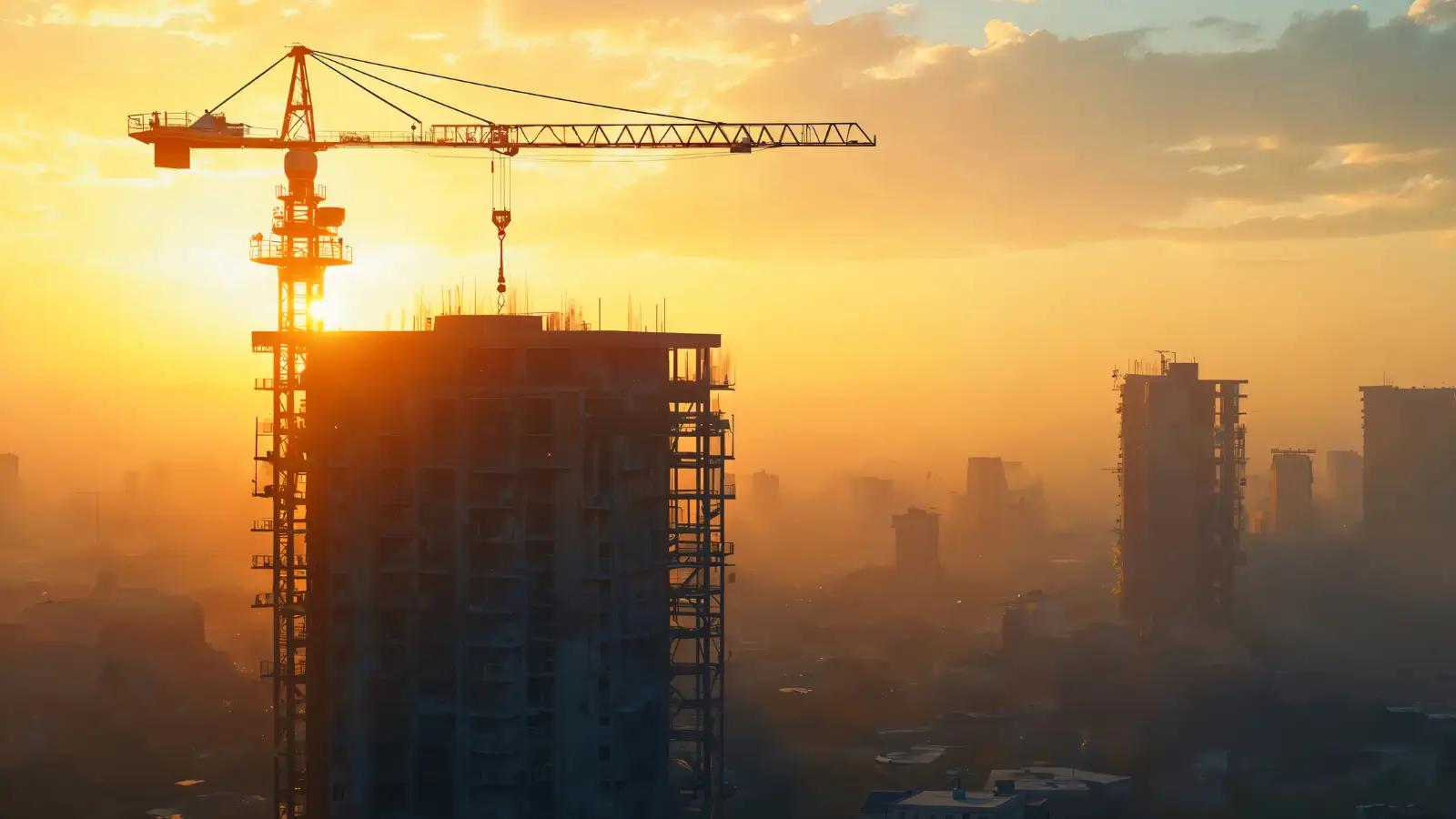
SOBHA OneWorld construction quality update: SOBHA backward integration model, signature construction standard, in-house construction quality at township scale.
The SOBHA OneWorld construction quality update at this pre-launch stage is anchored by SOBHA Limited's distinctive build philosophy. Unlike most Indian developers, SOBHA operates a backward-integrated construction model, meaning the company designs, manufactures, and executes most major elements of its developments in-house rather than relying on external contracting chains. For a township of SOBHA OneWorld's scale (14 wings, 4,106+ units, 48 acres), this integration model is one of the project's structural advantages.
SOBHA Backward Integration: What It Means
SOBHA backward integration operates across five domains: design, interiors, MEP, glazing, and execution. Each is handled in-house rather than outsourced.
Design: In-house architecture and structural engineering teams handle the project from concept through detailed drawings. Design intent is owned end-to-end, with no dilution at the contracting interface.
Interiors: In-house joinery and metalwork manufacturing units fabricate doors, kitchen cabinetry, wardrobes, and bathroom fittings. SOBHA's manufacturing footprint allows the brand to standardise interior finish quality across thousands of apartments without batch-to-batch variation.
MEP (Mechanical, Electrical, Plumbing): MEP design and installation is in-house, ensuring tight coordination between civil construction, services routing, and finish work. SOBHA backward integration addresses this at the team level rather than the contractual level.
Glazing and Facade: In-house glazing systems handle window frames, facade panels, and balcony glass. Glazing is one of the highest-risk finish interfaces in high-rise construction, with water-ingress and thermal performance both depending on glazing execution quality.
Execution: In-house project management and site execution teams replace traditional general-contractor arrangements. SOBHA controls site management, quality control, safety, and pace directly rather than monitoring an external contractor. The SOBHA backward integration model is the operational foundation of the brand's consistent delivery record.
In-House Construction Quality: The Practical Benefits
In-house construction quality matters at three points in the build lifecycle: during construction, at handover, and over the building's operating lifetime.
During construction, backward integration means specifications agreed at the design table arrive on site without contract-level negotiation. There is no contractor incentive to substitute lower-cost materials or skip detailing steps that are difficult to verify post-facto. Quality control happens within the same organisation that owns design intent.
At handover, the result is tighter dimensional accuracy across all the small things that accumulate into finished quality. Floor levels are flatter. Walls are straighter. Door and window openings align with their frames without on-site adjustment. Bathroom slopes and waterproofing are executed to a tighter tolerance than typical practice.
Over the operating lifetime, the same construction discipline shows up as lower maintenance cost. Plumbing leaks, electrical fault rates, glazing water-ingress, and facade weathering are typically lower in backward-integrated construction. For buyers who plan to hold the property over multiple decades, this operating-cost dimension is meaningful.
Signature Construction Standard at Township Scale
The signature construction standard SOBHA delivers becomes more challenging to maintain at township scale. Building one apartment well is straightforward. Building 4,106+ apartments well, simultaneously, across 14 wings, with consistent quality from the first delivered unit to the last, is the structural challenge that the backward integration model is designed to handle.
Three operational factors support consistency at scale: standardised in-house teams move across the wings, applying identical quality processes; centralised QA monitors finish standards across the entire township rather than parallel contractor QAs; and material consistency through in-house manufacturing or single-vendor sourcing for high-impact materials avoids batch variation across the 4 to 5 year build timeline.
Construction Timeline Expectations
For a township of this scale, typical construction timelines from formal launch through possession run 4 to 5 years. The build phases break down approximately as follows: Foundation and Excavation (Months 0-12); Structural Construction (Months 12-30); MEP and Glazing (Months 24-42); Interior Finishing (Months 36-54); and Handover Preparation (Months 54-60). RERA-filed timelines, once registration is granted, become the binding commitment.
Current Construction Status: Pre-Launch
As of the current pre-launch stage, site preparation is in early phases. The floor plan reveal and the Grand Allotment Event are the milestones that precede formal sales and full-scale construction commencement. Once RERA registration is granted and post-allotment booking commitments are converted, construction enters its primary phase.
Why Construction Quality Matters Most at Township Scale
Standalone apartment buyers can usually visit completed projects by the same developer and inspect finish quality directly. Township buyers cannot do this, because no two townships are identical. The closest proxy is the developer's track record across past projects, combined with the operational model that produces consistent quality. This is where backward integration becomes the buyer's best signal. A developer that operates an in-house construction model carries the operational capability to deliver consistent quality at scale.
FAQs
What is SOBHA backward integration in construction?
SOBHA backward integration means in-house design, MEP, joinery, glazing, and execution teams, with the developer controlling quality at every interface that typically introduces variation in Indian construction.How does it affect the buyer?
Tighter dimensional accuracy at handover, more consistent finish quality across the project, lower maintenance cost over the building's operating lifetime, and clearer accountability for any post-possession issues.Are construction updates publicly tracked?
Yes, post-RERA registration. Quarterly RERA progress reports are filed publicly on the Karnataka RERA portal.Where can I read more about RERA?
The RERA Status blog covers what RERA registration means for buyers, and the Backward Integration deep-dive explains the model in detail. The Construction Specifications blog covers material and finish standards.
To understand the construction standards and engage with the project, connect with our advisory team. Visit the specifications page for full details.
Related Articles

Is SOBHA OneWorld Worth Buying? An Honest Pre-Launch Review
Honest SOBHA OneWorld pre-launch review: ratings, SOBHA Hoskote project review, is SOBHA OneWorld good? Strengths, watchpoints, buyer-profile fit.
SOBHA OneWorld EOI Process: Booking Explained
Complete SOBHA OneWorld EOI booking process: how to apply EOI SOBHA step by step, priority unit selection benefit, payment details.
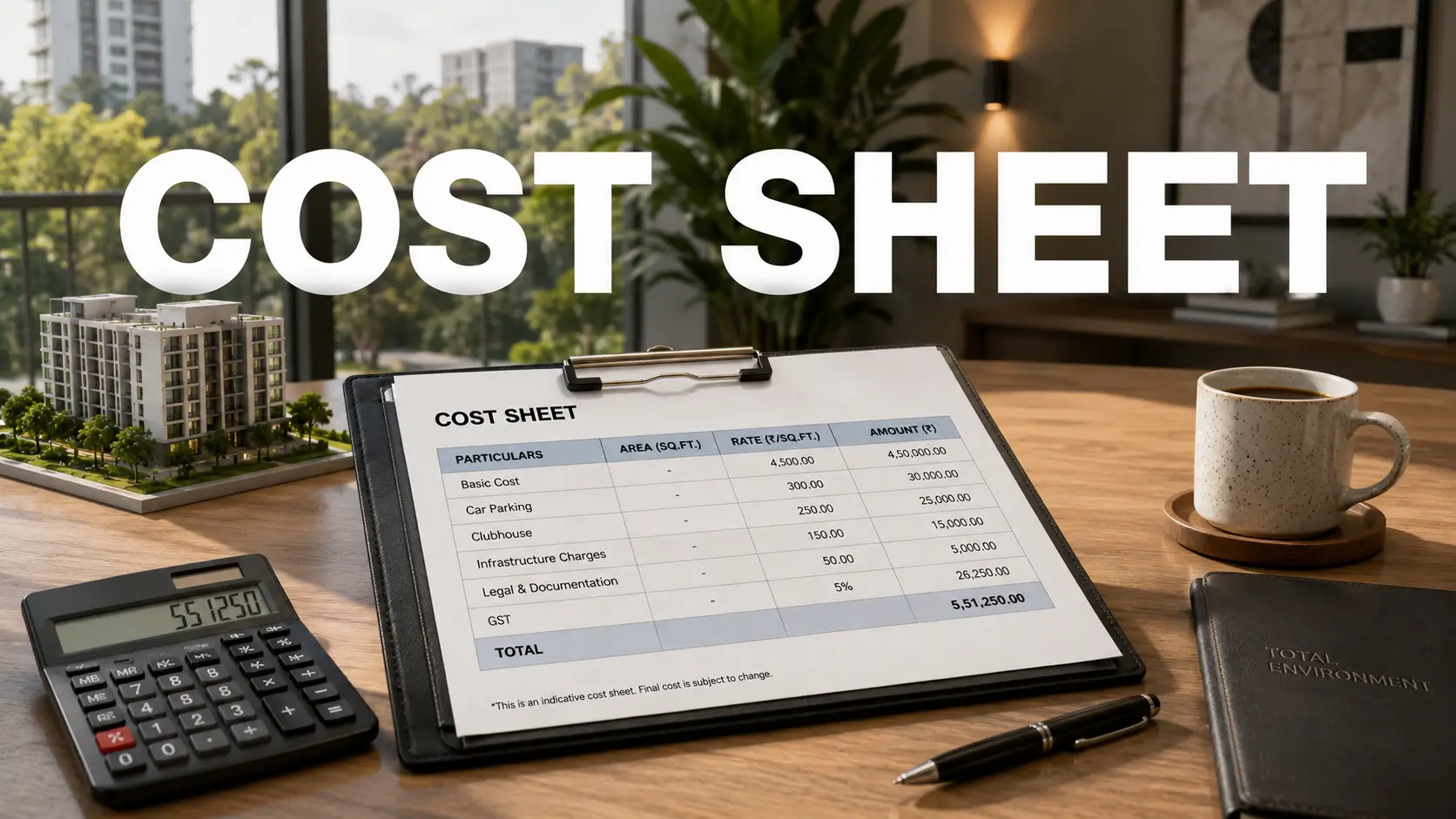
SOBHA OneWorld Cost Sheet: Full Price Breakdown Across All Configurations
SOBHA OneWorld cost sheet breakdown: BSP per sq ft Hoskote, 2 BHK price East Bangalore, all-inclusive cost township apartment across all configurations.

SOBHA OneWorld RERA Status: What Buyers Should Know
SOBHA OneWorld RERA approval status: registration awaited, RERA-pending pre-launch risk, RERA number Hoskote project, Karnataka RERA check guide.